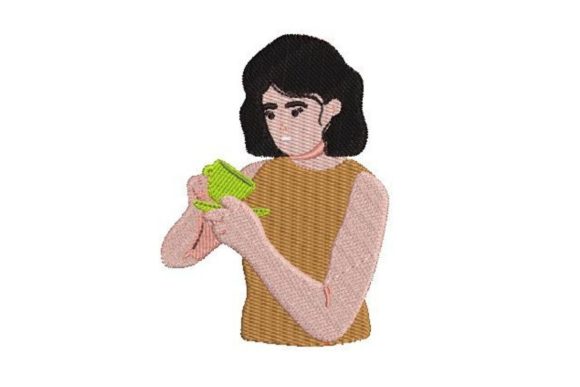
Reviewing Japanese Woman: A Timeless Embroidery Design
As an embroidery designer who has spent years digitizing patterns and testing files for a bustling personalized gift shop, I approach every new machine embroidery design with a critical eye. It is not just about whether the stitches look good on the screen; it is about how that digital embroidery file translates into a tangible, cherished handmade product. Recently, I had the opportunity to test the "Japanese Woman" design, a piece categorized under Asia themes, intended to bring a touch of elegance to various textile projects. This review details my experience planning this design for real customer orders, from baby blankets to wedding keepsakes.
First Impressions: Mood and Artistic Appeal
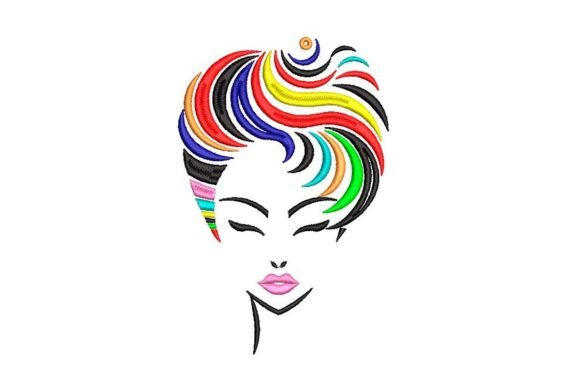
Upon loading the "Japanese Woman" embroidery file into my software, the immediate impression was one of serene sophistication. Unlike some modern designs that rely on bold, blocky fills, this pattern exudes a classic, almost romantic charm. The lines appear delicate, suggesting a traditional aesthetic that fits perfectly within the realm of high-end custom embroidery. The mood is sweet yet dignified, making it versatile enough for a nursery setting or a sophisticated home interior.
The emotional appeal of this design lies in its storytelling potential. For a customer seeking a meaningful gift, "Japanese Woman" offers more than just decoration; it offers a narrative of culture and grace. Whether stitched in soft pastels for a baby embroidery project or in rich, contrasting tones for a home decor item, the design maintains its integrity. It feels undeniably handmade, possessing that specific warmth that machine stitching can achieve when the digitizing is done with care and respect for the subject matter.
Versatility in Product Application
In my shop, we constantly ask: "Where will this sell?" The "Japanese Woman" design shines across a surprising range of products. For Etsy sellers and small business owners, versatility is key to maximizing inventory. Here is how I envision this design performing in a real-world scenario:
- Baby Blankets and Nursery Decor: The gentle lines make it an ideal candidate for blanket embroidery. Imagine this figure stitched onto a soft minky blanket for a newborn, serving as a comforting presence in the crib.
- Kitchen Linens: An embroidered towel or apron featuring this design elevates a standard kitchen item into a conversation piece. It appeals to customers who love culinary arts and cultural aesthetics.
- Wedding Gifts: As a wedding gift, this design could be monogrammed alongside initials on a pillow cover or a commemorative wall hanging, symbolizing beauty and tradition for the new couple.
- Tote Bags and Apparel: For the fashion-forward crafter, placing this design on a canvas tote or a denim jacket creates a unique, wearable art piece that stands out at craft fairs.
The ability to choose the color scheme at discretion, as noted in the product description, is a significant advantage. It allows us to tailor the finished product to the specific tastes of the buyer, ensuring that the thread colors harmonize perfectly with the base material.
Technical Considerations and Fabric Challenges
While the artistic merit of "Japanese Woman" is high, practical application requires careful planning. Not all fabrics behave the same way, and certain details in intricate designs demand specific handling. When working with this Asia-themed motif, I recommend paying close attention to the following areas:
Fabric Texture and Stability: Delicate details can get lost on highly textured fabrics like thick waffle-weave towels or rough linen. For these materials, you may need to adjust your stitch density or use a heavier topping to ensure the fine lines of the woman's features remain crisp. Conversely, on stretchy baby clothes, the lack of stability can cause distortion. Using the correct stabilizer is non-negotiable here; a cut-away stabilizer is often safer for garments that will undergo frequent washing.
Color Contrast and Visibility: On dark fabrics, the subtle shading in the design might vanish if the thread contrast is not strong enough. I always advise creating mockups on both light and dark fabric before committing to a production run. This ensures the "Japanese Woman" remains visible and impactful regardless of the background.
Curved Surfaces and Hooping: If you are applying this to a curved surface, such as a cap or a rounded pillow, ensure your hoop size accommodates the design without forcing the fabric too tightly, which can lead to puckering. Small lettering, if added as a personalization element near the design, should be kept large enough to remain legible after washing.
Enhancing Perceived Value and Customer Trust
In the world of online sales, particularly for an Etsy seller, the perceived value of a small shop product is often dictated by the quality of the imagery and the uniqueness of the design. "Japanese Woman" adds a layer of exclusivity. It signals to the buyer that this is not a mass-produced sticker, but a thoughtful personalized gift crafted with skill.
When photographing the finished product for listings, the intricate details of this design catch the light beautifully, creating depth in photos that drives buyer engagement. A well-executed stitch-out builds customer trust; it shows that you, the maker, care about quality. This emotional connection is what turns a one-time buyer into a repeat customer. Furthermore, offering this as part of a printable mockup service or a custom order preview can significantly boost conversion rates, as clients can visualize the elegance of the final item before purchasing.
Practical Notes for the Professional Maker
Before running this design on a customer's expensive fabric, I always follow a strict checklist to ensure commercial viability and quality control:
- Test on Scrap Fabric: Always stitch a sample on the exact same material and weight as the final product to check for registration issues.
- Check Thread Contrast: Verify that the chosen thread colors provide sufficient definition against the fabric background.
- Confirm Hoop Size: Ensure your machine's hoop can accommodate the design dimensions without re-hooping, which can cause alignment errors.
- Review Stitch Density: Look for areas that might be too dense for lightweight fabrics, which could cause stiffness or tearing.
- Inspect Small Details: After stitching, examine the fine lines of the face and clothing to ensure they are clean and free of bird nests or jumps.
- Verify Licensing: Since this is intended for sale, confirm the commercial licensing terms of the digital embroidery file to ensure you are compliant with the creator's rules.
The product description mentions that the right selection of materials is key, and I cannot stress this enough. The "Japanese Woman" design is a beautiful asset to any commercial embroidery library, provided it is treated with the technical respect it deserves. By understanding its nuances, you can create stunning Embroidery pieces that resonate deeply with customers looking for something truly special.