Wheat Embroidery Design Review for Real Projects
As an embroidery designer who spends most of my days digitizing and stitching for clients, I am always cautious about downloading new machine embroidery design files. The market is flooded with options, but finding a file that actually performs well on real fabric is a different story. Recently, I came across the Wheat design on Creative Fabrica, categorized under Food and Embroidery. Before committing to a large customer order, I decided to evaluate whether this digital embroidery file is truly ready for commercial use or if it requires significant tweaking.
First Impressions and Visual Mood
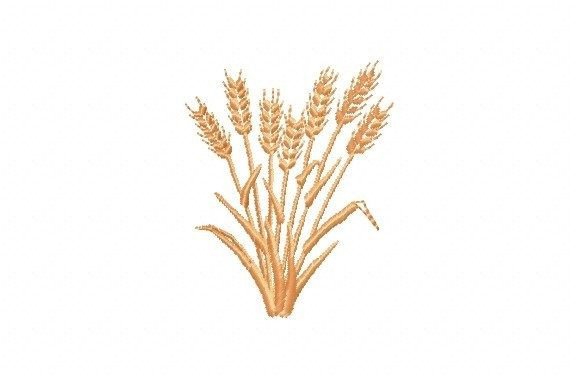
The first thing that struck me about Wheat was its rustic yet elegant aesthetic. In the preview images, the design captures the natural flow of grain stalks, which suggests a lovely organic movement when stitched out. For designers looking to create products with a farmhouse, autumnal, or botanical vibe, this visual mood is spot on. The level of detail appears sufficient to convey texture without becoming a muddy mess of threads, which is often the risk with botanical motifs.
The decorative appeal of Wheat lies in its versatility. It doesn't scream "holiday" specifically, making it a viable candidate for year-round handmade product lines. Whether you are aiming for a cozy kitchen theme or a sophisticated boutique look, the design personality fits well. However, as with any embroidery file, the preview is only half the battle. The true test is how those pixels translate into actual satin stitch, fill stitch, and running stitch sequences on various materials.
Performance on Real-World Projects
I evaluated Wheat with several specific project scenarios in mind, ranging from simple gifts to inventory for an Etsy shop. Here is how I see this design performing across different applications:
- Custom Apparel and Sweatshirts: The organic shape of the wheat stalks would look stunning on the chest pocket of a denim jacket or centered on a heavyweight sweatshirt embroidery project. The linear nature of the design complements the structure of hoodies and crewnecks.
- Tote Bags and Aprons: For a tote bag design, this motif offers excellent visual balance. It works particularly well on canvas or linen blends where the texture of the fabric enhances the rustic feel of the wheat.
- Home Decor and Kitchen Towels: Given its classification under Food, this is a natural fit for kitchen textiles. Imagine a set of flour sack towels with a single wheat stalk embroidered near the hem. It adds a touch of elegance to functional items.
- Patches and Caps: If the file includes smaller variations or can be scaled down effectively, it could serve as a beautiful embroided patch. However, cap embroidery requires careful consideration of the curved surface, which I will address in the technical notes below.
- Nursery and Seasonal Gifts: The soft, golden tones associated with wheat make it a gentle choice for baby blankets or nursery wall hangings, offering a neutral alternative to bright primary colors.
Technical Considerations for Stitching
While the artistic potential of Wheat is high, practical execution requires attention to detail. As a professional, I never skip the testing phase. Here are the critical factors to consider before stitching this Creative Fabrica embroidery asset on a final product:
Fabric Selection and Stabilizer: The success of this design heavily depends on your choice of stabilizer. For stretchy fabrics like jersey knits used in custom apparel, a cut-away stabilizer is likely necessary to prevent distortion over time. If you are stitching on woven fabrics like twill or canvas for tote bags, a tear-away might suffice, but always test first. Textured fabrics can sometimes hide minor stitching imperfections, but they can also make fine details in the wheat heads difficult to define.
Stitch Density and Thread Colors: Botanical designs often rely on subtle shifts in thread colors to create depth. When reviewing Wheat, pay close attention to the stitch density. If the fill areas are too dense, the design may become stiff and prone to puckering, especially after washing. Conversely, if the density is too low, the fabric might show through, ruining the illusion of full grain heads. I recommend comparing light and dark fabric mockups to ensure your chosen thread palette provides enough contrast.
Hoop Size and Placement: Always confirm the required hoop size before starting. While the design looks graceful, ensure it fits within your machine's capabilities without needing excessive re-hooping, which can lead to alignment issues. For curved surfaces like caps, the long, slender nature of wheat stalks can be tricky. You must ensure the design is positioned correctly to avoid hitting the seam or distorting around the curve.
Durability and Washing: For products that need frequent washing, such as aprons and kitchen towels, inspect small details after the initial stitch-out. Look for pull-outs or loose connections between the stalks and the heads of the wheat. A well-digitized file should withstand multiple wash cycles without losing its shape.
Impact on Product Value and Branding
Incorporating a high-quality design like Wheat can significantly elevate your finished product. In the competitive world of handmade goods, visual appeal is everything. A crisp, well-executed embroidery design builds buyer trust and suggests a higher price point. When customers see clean lines and thoughtful color choices, they perceive the item as a premium personalized gift rather than a mass-produced commodity.
Furthermore, consistency in design assets helps build brand identity. If your boutique specializes in natural, earthy, or farm-to-table themes, Wheat reinforces that narrative. It enhances your product photography, providing a focal point that draws the eye in online listings. For creative entrepreneurs selling on platforms like Etsy, having unique, well-stitched designs can drive customer engagement and repeat business.
Final Verdict and Usage Tips
Is Wheat worth downloading? Based on its visual promise and potential application in diverse projects, it appears to be a strong candidate for your library. However, because specific technical data such as exact stitch count, available file formats, and precise hoop dimensions were not explicitly detailed in the brief product description, I strongly advise checking the full product page on Creative Fabrica before purchasing.
Before using this for a commercial order, ensure you review the licensing terms. While many files on Creative Fabrica allow for commercial use on physical goods, verifying the specific license for commercial embroidery is essential to protect your business. Additionally, since the description mentions it is a "high-quality embroidery design," look for user reviews or zoomed-in photos from other makers to confirm the stitch quality.
To get the best results, follow these steps:
- Test the design on scrap fabric identical to your final material.
- Experiment with different thread brands to find the best sheen and coverage for the wheat texture.
- Verify the file compatibility with your specific embroidery machine software.
- Create printable mockups to visualize the design on different product colors before committing to thread purchases.
In conclusion, Wheat offers a charming and versatile option for designers looking to expand their catalog of food-themed or botanical embroidery. With proper testing and attention to stabilizer and density, it has the potential to become a staple in your lineup of handmade gifts and boutique merchandise. Just remember that the key to a successful project lies not just in the design file itself, but in the care and expertise you apply during the stitching process.