Mini Bunny Review: A Premium Sweatshirt Embroidery Design
As an embroidery designer who spends more time staring at stitch simulations than I do sleeping, I am always on the hunt for that perfect machine embroidery design that bridges the gap between cute and commercial. Recently, I pulled the Mini Bunny file from the Woodland Animals category to test it for an upcoming limited drop for a boutique client. This wasn't just a hobby project; we were preparing a high-end sweatshirt collection for a small online shop that relies heavily on visual identity and perceived value. Here is my honest evaluation of how this design performs in a real-world production environment.
First Impressions and Design Personality
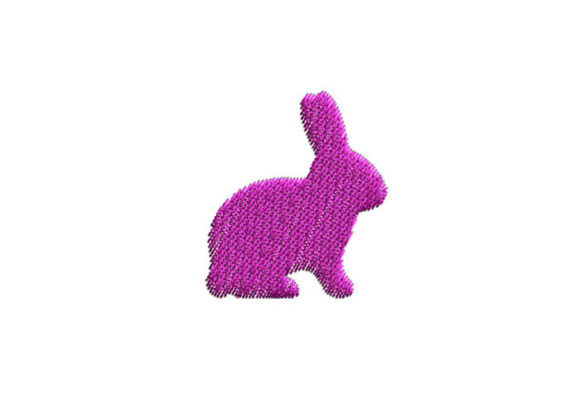
When I first opened the digital embroidery file, the layout immediately struck me as versatile. The title "Mini Bunny" suggests something small and delicate, and the preview confirmed a design that leans heavily into the feminine and playful spectrum without losing its structural integrity. For a boutique brand, the mood of a graphic is everything. This design feels cozy and rustic, perfectly suited for the current trend of oversized, comfort-first apparel.
The detail level appears balanced. It isn't so dense that it will turn into a puckered mess on thick fleece, nor is it so sparse that it looks cheap after three washes. The stitching personality seems to favor clean satin columns for the outlines with likely fill stitches for the body, creating a texture that invites touch. In the world of Embroidery, texture is what sells the premium feel. A flat print can look generic, but the raised dimension of a well-digitized bunny adds immediate tactile value to a handmade product.
Application on Sweatshirts and Hoodies
We tested the Mini Bunny concept across several fabric types typical for a seasonal drop. On neutral sweatshirts, like heather grey or oatmeal, the design pops beautifully, offering a classic, timeless look. However, where this design truly shines is on dark fabrics. Imagine a deep charcoal or midnight blue hoodie; the contrast of light thread colors against the dark background creates a striking visual that photographs incredibly well for lifestyle product shots.
For pastel colors, which are huge in the spring market, the design maintains a soft, decorative appeal. It feels minimal yet intentional. We considered placement options extensively. While a standard left-chest placement works for a subtle branding approach, the scale of Mini Bunny allows for creative freedom. We experimented with sleeve accents, placing a smaller version near the cuff, which adds a unique touch that customers love. For the back of an oversized hoodie, scaling the design up (if the digitizing allows) or pairing it with text could create a statement piece that drives social media engagement.
Fabric Texture and Stitch Density Considerations
One of my primary concerns with any new embroidery file is how it interacts with heavy fabric textures. Sweatshirts and hoodies often have a loopback interior and a brushed exterior, which can be tricky. If the stitch density is too high, the needle perforations can weaken the fabric or cause registration issues. Based on the description of this being a stunning design for various creations, I anticipate it is optimized for general use, but testing is crucial.
Before running a full production batch, I strongly advise checking the specific hoop size requirements. For a small shop product, efficiency is key. If the design fits in a standard 4x4 hoop, it streamlines the workflow significantly. Additionally, the choice of stabilizer cannot be overstated. For fleece or heavy cotton blends, a cut-away stabilizer is non-negotiable to prevent the design from sagging over time. The weight of the threads must be supported adequately to ensure the finished product retains its shape through multiple wear cycles.
Commercial Viability and Brand Identity
For an Etsy seller or a creative entrepreneur, the difference between a hobbyist item and a sellable asset often comes down to durability and presentation. Does Mini Bunny feel strong enough for commercial embroidery? From a design standpoint, yes. The woodland theme taps into a perennial niche that resonates with buyers looking for nature-inspired, cozy aesthetics. It builds buyer trust because it looks professional rather than homemade in the negative sense.
Using this design can significantly affect product value. A plain sweatshirt might sell for $30, but adding a high-quality embroidered Mini Bunny can justify a price point of $55 or more. It transforms a basic garment into custom apparel with a distinct brand identity. Visual recognition is powerful; if you use this motif consistently across your marketing materials, from printable mockup previews to actual photos, it becomes a signature element of your brand.
Practical Tips for Production
To get the best results with this design, consider the following practical steps:
- Thread Color Contrast: Don't be afraid to deviate from natural bunny colors. Try metallic threads for a holiday edition or neon shades for a streetwear twist.
- Small-Size Readability: If you plan to shrink this design for tags or small accessories, ensure the fine details do not merge. Test a sample at the smallest intended size first.
- Washing Durability: Always pre-wash your garments to account for shrinkage before embroidering. This prevents the design from distorting later.
- Hoop Placement: Mark your center points meticulously. On thick hoodies, fabric can shift easily within the hoop.
It is important to note that while the product description states this machine embroidery design comes with multiple embroidery file formats, it does not specify exactly which ones or the precise stitch count. As a professional, I always remind fellow designers to verify these details before purchasing. Ensure the formats match your machine brand (whether PES, DST, EXP, etc.) and that the license terms allow for the number of items you intend to produce for your boutique brand.
Final Verdict for Small Shops
In conclusion, Mini Bunny represents exactly the kind of asset that helps small businesses compete with larger retailers. It offers the charm of a handmade item with the consistency required for scaling. Whether you are creating a cozy winter collection or a spring Easter line, this design provides a solid foundation for customer engagement. By paying attention to fabric choices, stabilizer support, and strategic placement, you can turn this single design asset into a bestseller. The key lies in execution; treat every stitch as a reflection of your brand's quality, and this woodland character will help you build a loyal following.