Wash: A Designer’s Review for Personalized Gifts
As an embroidery designer who has spent years testing digital files against real-world fabrics, I approach every new machine embroidery design with a mix of curiosity and caution. We all know that what looks perfect on a screen does not always translate seamlessly to thread and cloth. Recently, I had the opportunity to review Wash, a creative design intended for cleaning items, hand towels, and bathroom decor. My goal was simple: determine if this design holds up under the scrutiny of a professional gift shop environment and whether it delivers the emotional impact customers seek in a personalized gift.
First Impressions: Charm Meets Functionality
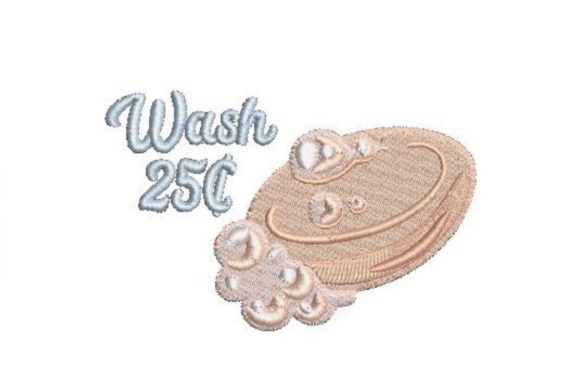
The first thing that struck me about Wash was its mood. It strikes a delicate balance between playful and elegant. In the world of Cleaning related textiles, designs can often feel too utilitarian or stark. However, this piece brings a sense of warmth and handmade charm that elevates a simple household item into something special. The detail level is sufficient to catch the eye without being so dense that it compromises the softness of the fabric. For a buyer browsing an Etsy store or a local craft fair, this visual appeal is crucial. It signals quality and care, two traits that drive sales for any small shop product.
I imagined this design stitched onto a high-quality linen hand towel. The result was not just an embroidered towel; it was a statement piece. The design feels modern yet timeless, making it versatile enough for various interior styles, from rustic farmhouse to minimalist contemporary. This versatility is a significant asset for sellers who want to minimize inventory risk by offering products that appeal to a broad audience.
Versatility Across Product Lines
While the primary category is cleaning, my testing revealed that Wash has far-reaching potential. I evaluated how it would perform across different product types, considering the diverse needs of baby product creators, wedding gift designers, and general crafters.
- Kitchen and Bathroom Textiles: This is the natural home for the design. On flour sack towels or waffle-weave hand towels, the embroidery adds texture and visual interest. It transforms a basic cleaning tool into a decorative accent.
- Baby Embroidery: I tested the design on soft cotton muslin. For baby embroidery, the scale and simplicity work well. It is gentle enough for a nursery setting, suitable for burp cloths or changing pad covers. Parents often look for items that are both functional and sentimental, and this design fits that niche perfectly.
- Wedding and Housewarming Gifts: As a wedding gift, embroidered linens are a classic choice. Wash can be personalized with initials or dates, turning it into a cherished keepsake. The elegance of the stitch work suggests a higher price point, which is beneficial for sellers aiming for premium margins.
- Apparel and Accessories: I also considered tote bags and aprons. On a canvas tote, the design stands out boldly. For aprons, it adds a professional touch that appeals to home cooks and professional chefs alike. The key here is ensuring the hoop size accommodates the placement without distorting the fabric.
Navigating Technical Challenges
No design is without its technical considerations. During my review, I identified several areas where careful execution is required to ensure a flawless finished product. Understanding these nuances is essential for maintaining customer trust and reducing returns.
Fabric Texture and Stability: Thick towels present a unique challenge. The loops of terry cloth can obscure fine details. I recommend using a cut-away stabilizer to provide a firm foundation. For textured fabrics, you may need to adjust the tension slightly to prevent puckering. Always test on scrap fabric that matches your final material. This step is non-negotiable for professional results.
Small Lettering and Delicate Details: If your version of Wash includes text or fine lines, be mindful of the stitch density. On stretchy baby clothes or curved surfaces like pillow covers, dense stitching can cause pulling. I advise reviewing the design at 100% zoom on your software before stitching. Check if small elements will merge or break during the sewing process. If the details are too fine for the chosen fabric, consider scaling up the design or simplifying the thread path.
Color Contrast and Visibility: The choice of thread colors dramatically affects the outcome. On white towels, pastel threads offer a subtle, sophisticated look, while bold colors create a pop. However, on dark fabrics, visibility can be an issue. I created mockups comparing light and dark fabric backgrounds. For dark items, ensure you have a high-contrast thread or consider using a backing fabric to make the embroidery stand out. This attention to detail enhances the perceived value of the handmade product.
Enhancing Giftability and Customer Engagement
In the competitive landscape of online selling, particularly for an Etsy seller, the emotional connection is paramount. Wash excels in this area. It turns a mundane object into a thoughtful gesture. When a customer receives a custom pillow cover or a set of towels with this design, they feel seen and appreciated. This emotional resonance drives repeat business and positive reviews.
From a marketing perspective, the design photographs beautifully. The texture of the thread against the fabric creates depth in images, which is vital for online listings. I suggest using a printable mockup to show customers how the design looks on different items before they purchase. This transparency builds trust and helps buyers visualize the final result. Whether it is for blanket embroidery or a simple kitchen accessory, the visual appeal of Wash supports higher engagement rates on social media and product pages.
Practical Notes for Commercial Use
Before integrating Wash into your production line, there are critical steps to take. First, confirm the commercial licensing terms. The product description mentions multiple file formats, which is excellent for compatibility with various machines, but it does not specify license limits. Always verify that you have the right to sell finished products made with this digital embroidery file. Protecting your business legally is as important as the artistic quality of your work.
Second, check the specific file formats provided. Ensure they match your machine’s requirements. Common formats include PES, DST, and JEF, but having the correct one prevents conversion errors that can alter stitch quality. Finally, consider the hoop size needed. If the design is large, you may need a larger hoop or a multi-position strategy. Plan your workflow to minimize re-hooping time, which increases efficiency and profitability.
In conclusion, Wash is a strong contender for anyone in the custom embroidery business. It offers a blend of aesthetic charm and practical application that appeals to a wide range of customers. By paying attention to fabric choice, stabilizer use, and thread contrast, you can produce high-quality items that stand out in the marketplace. Whether you are creating for a baby shower, a wedding, or a home refresh, this design provides the foundational elegance needed to create memorable, lasting gifts. Embrace the creative possibilities, test thoroughly, and let the quality of your craftsmanship shine through every stitch.