Bookshelf: A Designer’s Review for Personalized Gifts
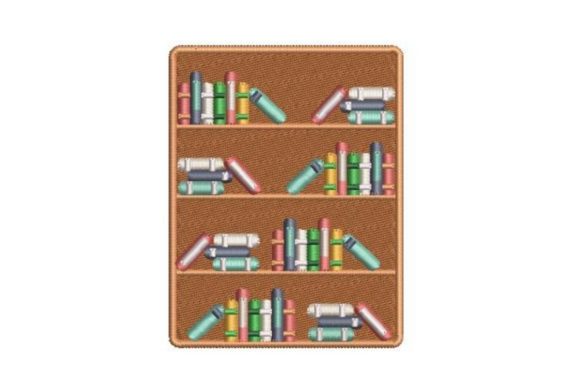
As an embroidery designer who has spent years testing digital patterns for real-world application, I approach every new machine embroidery design with a mix of excitement and scrutiny. When I first loaded the Bookshelf design into my software, I was looking for more than just aesthetic appeal; I wanted to know if it could hold up under the pressure of a busy custom order schedule. This classic motif, tailored for those who cherish reading and wish to elevate their hobby, offers a charming narrative that resonates deeply with modern buyers. In this review, I will walk you through my experience testing this pattern, focusing on its potential for personalized gift products and its performance across various fabric types.
First Impressions: Mood and Emotional Appeal
The immediate impression of Bookshelf is one of quiet elegance and intellectual warmth. It does not scream for attention with flashy gradients or overly complex shading. Instead, it relies on clean lines and a balanced composition that feels both handmade and timeless. For a designer, this is crucial. A design that is too busy can overwhelm small items, while one that is too simple may lack perceived value. Bookshelf strikes a delightful middle ground. It feels sweet yet sophisticated, making it versatile enough for a nursery setting or a mature home library.
The emotional appeal here is strong. Books are often associated with comfort, knowledge, and legacy. By incorporating this imagery into a personalized gift, you are tapping into a customer’s desire to create a meaningful connection. Whether it is for a new baby entering a world of stories or a couple building a life together, the imagery suggests stability and growth. This underlying sentiment is what transforms a simple stitched image into a cherished keepsake.
Versatility Across Product Categories
One of the strongest assets of this design is its adaptability within the House category. During my testing phase, I visualized Bookshelf on several different substrates to gauge its versatility. Here is how it performs across key product types:
- Baby Embroidery: On a soft muslin blanket or a burp cloth, the design adds a touch of whimsy without being overly juvenile. It appeals to parents who want literary-themed nursery decor that grows with the child.
- Wedding Gift: Imagine this embroidered on a high-quality linen tea towel or a set of cocktail napkins. It serves as a subtle nod to a couple’s shared interests, making it an ideal wedding gift for book lovers.
- Custom Tote Bags: Canvas totes are a staple for Etsy sellers. The structured nature of the bookshelf graphic holds up well on heavier fabrics, creating a durable and stylish accessory for library visits or grocery runs.
- Pillow Covers: For home decor, placing this design on a throw pillow adds a cozy, intellectual vibe to a reading nook. It works particularly well in neutral tones, allowing the stitch texture to shine.
- Aprons: A personalized apron featuring this motif makes a thoughtful gift for teachers, librarians, or home chefs who also love to read. It combines utility with personal expression.
For any Etsy seller or small shop owner, having a design that can cross over from baby products to adult home decor maximizes your return on investment. You are not limited to a single niche, which allows for broader marketing opportunities.
Technical Considerations and Fabric Challenges
While the aesthetic is promising, the technical execution requires careful planning. As with any digital embroidery file, understanding the interaction between the stitch pattern and the fabric texture is vital. I encountered a few areas where caution is necessary to ensure a professional finished product.
Fabric Texture and Stability: Textured fabrics, such as waffle-weave towels or thick terry cloth, can sometimes obscure fine details. If the Bookshelf design includes small lettering or intricate book spines, these may get lost in the pile of a thick towel. I recommend using a cut-away stabilizer for these materials to provide a firm foundation. For stretchy baby clothes, a hoop-and-stick method with a tear-away stabilizer might be preferable to prevent puckering, but always test on scrap fabric first.
Stitch Density and Detail: Without knowing the exact stitch count, I advise checking the density settings in your software. High-density areas can cause fabric distortion, especially on lighter materials like cotton voile or silk blends. If the design feels too dense, consider using a water-soluble topping to keep stitches from sinking into the fabric. This is particularly important for maintaining the crispness of the bookshelf lines.
Color Contrast: The success of this design heavily relies on thread color contrast. On dark fabrics, ensure you use light, vibrant threads to make the books pop. Conversely, on white linens, subtle pastels or classic navy and burgundy tones can create a refined look. Always compare light and dark fabric mockups before committing to a large batch of production.
Enhancing Perceived Value and Customer Trust
From a business perspective, the quality of your embroidery directly impacts customer trust. A clean, well-executed Bookshelf design signals professionalism. It suggests that the handmade product was created with care and precision. This attention to detail enhances the giftability of the item. Customers are not just buying an embroidered towel; they are buying a piece of art that reflects their identity.
When photographing your products for online listings, highlight the texture of the stitches. Close-up shots that show the uniformity of the satin stitches or the fill patterns can significantly boost buyer engagement. A high-quality printable mockup can help customers visualize the final result, but real photos of the stitched item on actual fabric build true confidence. Show the design on a folded blanket, draped over a chair, or held in hands to convey scale and softness.
Practical Steps for Commercial Use
Before adding Bookshelf to your inventory of commercial embroidery offerings, there are several practical steps you must take. First, verify the licensing terms. The product description mentions that the design comes with multiple embroidery file formats and can be used with multiple machines, which is excellent for compatibility. However, always confirm whether the license allows for unlimited physical sales or if there are restrictions on digital redistribution.
Second, check the hoop size requirements. Ensure that the design fits comfortably within your standard hoops without requiring excessive re-hooping, which can lead to alignment issues. If the design is large, consider breaking it down or ensuring your machine can handle the dimensions seamlessly.
Finally, conduct a wash test. Products like embroidered towels and baby blankets undergo frequent laundering. Stitch out a sample, wash it multiple times, and inspect for thread breakage, color bleeding, or fabric puckering. This step is non-negotiable for maintaining a reputation for quality. If the design holds up, you have a reliable asset for your small business.
In conclusion, Bookshelf is a compelling addition to any embroidery designer’s library. Its classic appeal, combined with its versatility across various home and baby products, makes it a strong candidate for personalized gifts. By paying attention to technical details like stabilizer choice, thread contrast, and fabric compatibility, you can ensure that every stitched item meets the high standards your customers expect. Whether you are creating a unique wedding gift or stocking your Etsy shop with nursery essentials, this design offers the charm and quality needed to stand out in a crowded market.