Skeleton Peace Hand: A Designer’s Review for Craft Fairs
As an embroidery designer who has spent countless weekends behind a booth table, I have learned that not every design translates into a bestseller. Some look great on a screen but vanish in person. Others are so dense they take hours to stitch, killing your profit margin. When I first loaded the Skeleton Peace Hand machine embroidery design onto my hoop, I was looking for that sweet spot between visual impact and production efficiency. This review is written from the perspective of someone who needs to turn digital files into tangible revenue at the next local market.
First Impressions: Bold, Playful, and Marketable
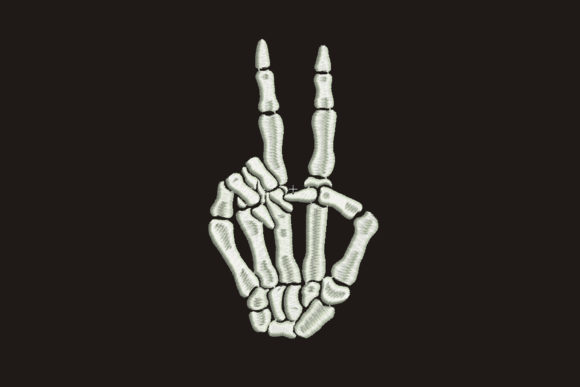
The immediate vibe of the Skeleton Peace Hand is undeniably cool. It strikes a balance between spooky and friendly, which is crucial for broadening your customer base during the Halloween season. It does not feel overly aggressive or terrifying; instead, it leans into a modern, slightly humorous aesthetic. This makes it versatile. It is not just for the hardcore horror fan; it appeals to anyone who enjoys a touch of whimsical gothic style. For a craft fair product, this approachability is key. You want passersby to smile when they see it, not look away.
In terms of style, I would classify this as modern festive with a hint of streetwear influence. The gesture itself—the peace sign—is universally recognized and positive, while the skeleton motif adds that seasonal edge. This combination creates a strong visual hook. When placed on a display table, it stands out against more traditional autumnal designs like pumpkins or leaves. It feels fresh, which is exactly what buyers are looking for when they browse handmade products.
Product Applications: Where This Design Shines
Choosing the right substrate is half the battle in commercial embroidery. Based on the likely scale and detail of the Skeleton Peace Hand, here is how it performs across various items:
- Tote Bags: This is arguably the best application. A canvas tote provides a flat, stable surface that allows the design to be the focal point. As a tote bag design, it transforms a simple utility item into a statement piece. Customers love reusable bags with personality, and this design offers enough attitude to justify a higher price point.
- Aprons: An apron embroidery placement on the bib or lower pocket works beautifully. It appeals to the "spooky chef" demographic. Since aprons are often made of cotton or linen blends, the stitches should lay flat and crisp, enhancing the perceived quality of the finished product.
- Tea Towels: For tea towel embroidery, you must be cautious about fabric texture. If the towel is too plush or looped, small details might get lost. However, on a flat-woven flour sack towel, this design would make an excellent giftable item. It is small enough to be economical but distinct enough to be noticed.
- Embroidered Patches: If you sell accessories, turning this into an embroidered patch is a smart move. Patches allow customers to customize their own jackets or bags. The bold lines of the skeleton hand should hold up well even at a smaller scale, provided the stitch density is managed correctly.
- Caps and Hats: Curved surfaces are tricky. The Skeleton Peace Hand could work on a dad hat or trucker cap, but you must ensure the design is not too wide. Distortion on the curve can warp the image. Always test on a similar cap structure before committing to a batch.
Production Practicality for Small Shop Owners
For Etsy sellers and boutique makers, time is money. The description notes that this machine embroidery design comes with multiple embroidery file formats. This is essential for compatibility with different machines, whether you are running a single-needle home unit or a multi-needle commercial setup. However, before you start stitching hundreds of units, you need to evaluate the technical aspects.
Stitch Density and Thread Colors: Examine the digitizing closely. Is the stitch density too high for lightweight fabrics? High density can cause puckering, especially on tea towels or thin cottons. Conversely, if it is too sparse, the fabric might show through, ruining the clean look of the skeleton bones. I recommend testing on scrap fabric first. Pay attention to thread colors. High contrast is vital here. White or bone-colored thread on black fabric will pop, but ensure your tension is perfect to avoid loose loops that detract from the premium feel.
Hoop Size and Placement: Confirm the hoop size required. If the design is large, you may need a 5x7 or 6x10 hoop, which limits the types of products you can easily embroider. Smaller hoops allow for faster loading and unloading, increasing your throughput. For a craft fair, speed matters. If you can stitch two designs in the time it takes to do one complex piece, your profitability increases significantly.
Stabilizer Selection: Do not skimp on stabilizer. For stretchy fabrics like t-shirts or caps, use a cut-away stabilizer to prevent distortion over time. For woven fabrics like tote bags, a tear-away might suffice, but test it. The goal is a crisp, professional finish that screams quality. A sloppy backside or puckered front will kill repeat business.
Visual Appeal and Marketing Strategy
How does the Skeleton Peace Hand photograph? In the world of online sales, your printable mockup and actual photos are your salespeople. This design, with its clear shapes and recognizable gesture, photographs well. It does not rely on subtle shading that gets lost in phone camera resolution. This makes it ideal for Instagram posts and Etsy listings.
When creating your booth display, use this design to draw attention. Place it on items that are at eye level. The "peace" gesture is inviting and encourages interaction. It serves as a conversation starter. When a customer asks about it, you can explain the versatility of the design. This engagement builds trust and increases the likelihood of a sale.
For brand consistency, consider using this design across a collection. Match the thread colors to your brand palette. If your shop focuses on earth tones, perhaps use cream thread on olive green. If you are going for classic Halloween, stick to black and orange or white and black. Consistent use of design assets helps build a recognizable brand identity.
Important Considerations for Commercial Use
Before you list your finished product, there are critical steps to take. First, verify the commercial licensing. The description mentions it can be used for spooky gifts and decor, but always read the specific license terms included with the digital embroidery file. Ensure you are allowed to sell physical items made with this design. Most designers allow it, but some have restrictions on volume or require attribution.
Second, check the clarity at different sizes. If you plan to shrink the design for a small pouch or pocket, zoom in on your computer screen. Do the fingers blend together? Does the peace sign lose its meaning? If details merge, it is better to keep the design larger or choose a different product. Never sacrifice clarity for the sake of fitting a design onto a small item.
Finally, consider the fabric texture. Thick, textured fabrics like terry cloth or heavy wool can obscure fine details. The Skeleton Peace Hand likely has some intricate areas in the bone structure. Test on the exact material you intend to sell. If the stitches sink into the fabric, use a topping stabilizer to keep them on the surface.
Final Verdict for Craft Fair Sellers
The Skeleton Peace Hand is a strong contender for your Halloween lineup. It is versatile, visually striking, and aligns well with current trends in handmade goods. It works exceptionally well on tote bags, aprons, and patches, offering a good balance of stitch time and visual impact. By paying attention to stabilizer choice, thread contrast, and fabric suitability, you can produce high-quality items that stand out in a crowded market. Remember to create real mockups, test thoroughly, and market the unique personality of this design. With the right execution, this embroidery design can become a staple in your small shop product range, driving both foot traffic at fairs and clicks online.