Mahjong Tile 3 Character: A Designer’s Review for Craft Fairs
As an embroidery designer who has spent countless hours behind the hoop and even more time standing behind a booth table at weekend markets, I have learned that not every machine embroidery design is created equal when it comes to retail success. Some designs are beautiful but too complex for quick production; others are simple but lack the visual punch needed to stop a scrolling thumb or a wandering eye. Today, I am reviewing the Mahjong Tile 3 Character design to determine its viability as a high-converting craft fair product for handmade shop owners and Etsy sellers.
First Impressions: Minimalist Charm with Cultural Flair
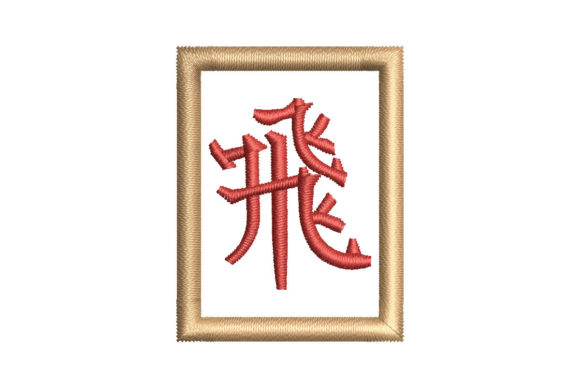
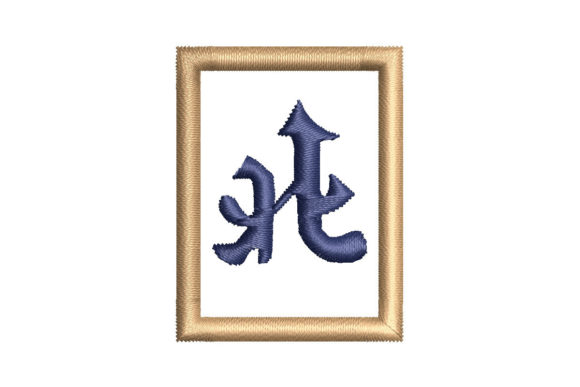
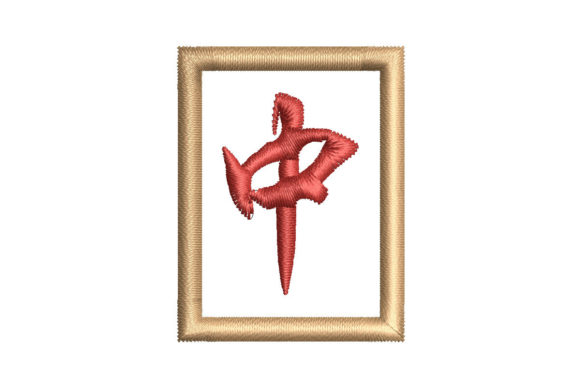
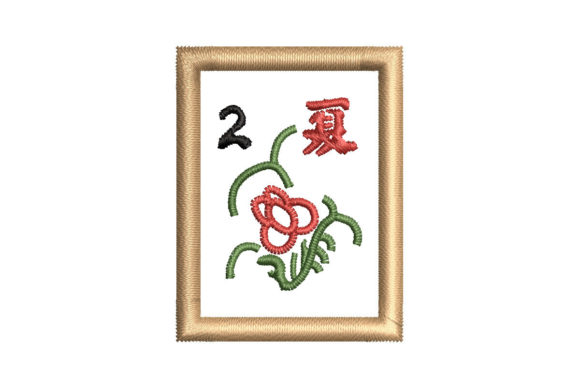
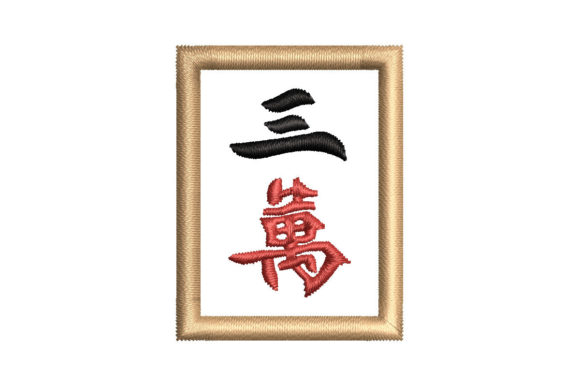
The first thing that strikes me about the Mahjong Tile 3 Character is its clean, graphic nature. In a market saturated with overly busy floral patterns and dense monograms, this design offers a refreshing minimalism. It feels modern, slightly playful, and undeniably trendy. Mahjong has seen a resurgence in popularity, moving from a niche hobby to a mainstream aesthetic in home decor and fashion. This design taps into that cultural moment without being overwhelming.
The description notes that the background is not filled, except for the border. From a production standpoint, this is excellent news. A filled background would mean longer machine run times, higher thread consumption, and a stiffer finished product. By keeping the interior open, the design remains lightweight and flexible, which is crucial for items like tote bags and apparel. The bold border frames the character perfectly, giving it the appearance of a traditional tile while maintaining the softness required for a handmade product.
Product Versatility: Where This Design Shines
When preparing my display for a upcoming craft fair, I am always looking for designs that can be applied across multiple product categories to maximize my inventory efficiency. The Mahjong Tile 3 Character is incredibly versatile. Here is how I envision it performing on various items:
- Tote Bags and Market Bags: This is arguably the best application. A large version of the tile centered on a canvas tote creates a striking statement piece. The open background ensures the bag remains foldable and easy to carry, appealing to eco-conscious shoppers.
- Aprons and Tea Towels: For the kitchen enthusiast, this design adds a touch of whimsy. As a tea towel embroidery, the lack of dense fill prevents the towel from becoming stiff or absorbent-compromised. On an apron, it serves as a charming focal point on the bib or pocket.
- Embroidered Patches: Because the design is self-contained with a clear border, it translates beautifully into an embroidered patch. Patches are low-commitment purchases for customers and allow you to use up scrap fabric, increasing your profit margins.
- Caps and Beanies: Placing this on the front of a dad hat or beanie works well, provided the hoop size accommodates the curve. The simplicity of the lines ensures legibility even on curved surfaces.
- Pillow Covers: For home decor, this design fits the modern farmhouse or eclectic boho aesthetic. It acts as a sophisticated accent rather than a loud centerpiece.
Production Practicality for Small Shop Owners
For any Etsy seller or boutique maker, time is money. The Mahjong Tile 3 Character scores high on production efficiency. Since the files are tested prior to release, you can trust the stitch path, but you must still consider your specific setup. The open nature of the design means lower stitch density overall, which translates to faster machine run times. This allows you to produce batch quantities more quickly, a necessity when restocking for a busy holiday season or a popular market day.
Photography is another critical factor. This design photographs exceptionally well because of its high contrast and clear lines. Whether you are creating a printable mockup for your online listings or taking photos for Instagram, the distinct border and character stand out against various fabric colors. It does not get lost in texture, making it a reliable choice for digital marketing assets.
Technical Considerations and Careful Use
While the design is robust, there are technical nuances to consider to ensure a premium finished product. First, pay attention to thread colors. Traditional mahjong tiles are white with black or red characters. To maintain authenticity, use high-contrast threads. However, don’t be afraid to experiment with modern palettes—pastel threads on denim or metallic threads on velvet can elevate the design for a luxury feel.
Fabric choice matters. Because the background is open, the fabric texture will show through. This is desirable for linen and cotton but might look messy on highly textured towels if the stabilizer isn't sufficient. Always use the right stabilizer; a cut-away stabilizer is recommended for garments that will be washed frequently, while a tear-away may suffice for decorative pillows.
Be cautious with sizing. If you scale the design down too much for small items like coin purses, the details of the character might lose clarity. Conversely, scaling it up too large without adjusting stitch density could lead to puckering. Always test the design on scrap fabric similar to your final product before committing to your main inventory.
Boosting Brand Consistency and Buyer Engagement
Incorporating the Mahjong Tile 3 Character into your lineup can help define your brand’s aesthetic. If your shop leans towards games, puzzles, or Asian-inspired decor, this design reinforces that niche. It signals to customers that you understand current trends and offer curated, thoughtful items. In a Games and Embroidery context, this design bridges the gap between hobbyist passion and wearable art.
Customer attention is often captured by familiarity mixed with novelty. Many people recognize the mahjong tile shape instantly, which creates an immediate connection. When they see it embroidered on a high-quality garment or accessory, it elevates the perceived value. It transforms a simple item into a conversation starter, which is exactly what you want for booth samples. Engaged customers are more likely to browse your entire table, increasing the likelihood of additional sales.
Final Verdict for Commercial Embroidery
Before adding this to your commercial embroidery catalog, ensure you have the correct license. Most digital designers offer different licenses for personal and commercial use. Confirm that your purchase includes the rights to sell finished physical products. Additionally, check the specific file formats provided to ensure compatibility with your machine software.
In summary, the Mahjong Tile 3 Character is a strong contender for any maker looking to expand their small shop product range. It balances aesthetic appeal with production practicality. It is easy to understand at a glance, works on a wide variety of fabrics, and aligns with current design trends. By paying attention to thread contrast, stabilizer choice, and appropriate sizing, you can create high-quality items that stand out in a crowded marketplace. Whether you are selling at a local fair or online, this design offers the potential for strong buyer engagement and consistent sales.
Remember, the key to success with any digital embroidery file is testing. Hoop it up, stitch it out, and see how it looks in person. If it makes you smile when you pull it off the machine, it will likely make your customers smile too. Happy stitching!