Moon Fairy Embroidery: A Designer’s Real-World Review
As an embroidery designer who spends more time staring at digitized paths than I do sleeping, I approach every new machine embroidery design with a healthy dose of skepticism. We have all been there: you download a file that looks magical on the screen, only to watch it turn into a bird’s nest of thread breaks and puckering on your hoop. That is why I took Moon Fairy for a serious test drive before committing it to any client work or personal inventory. This isn’t just about whether the image is cute; it is about whether the underlying architecture holds up under the needle.
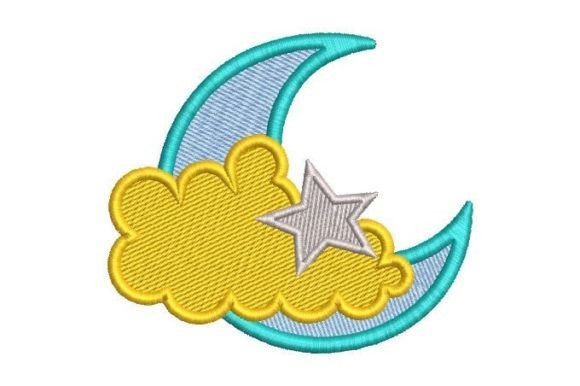
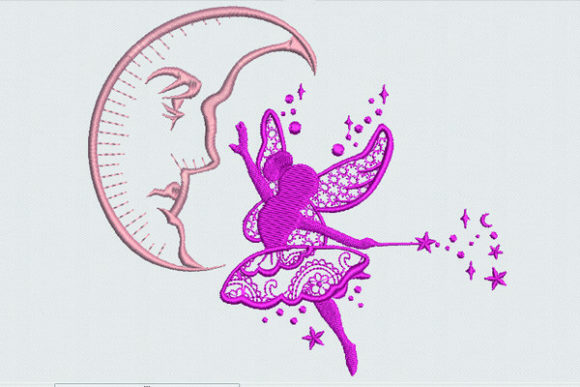
The first impression of Moon Fairy is one of whimsical elegance. It sits comfortably within the Fairy Tales category, but it avoids the overly cartoonish traps that plague so many designs in this niche. The silhouette is balanced, featuring a delicate figure perched upon or interacting with a crescent moon. For those of us creating handmade products, visual balance is everything. A lopsided design kills the perceived value of a finished product instantly. Moon Fairy, however, offers a layout that feels intentional and grounded, making it an excellent candidate for projects where aesthetics drive the sale.
Performance on Real Fabrics and Garments
I started my evaluation by stitching Moon Fairy onto a medium-weight cotton tote bag. This is a staple item for any Etsy seller or craft business owner. The design transferred beautifully. The lines were crisp, and the transition between elements felt smooth. Because the description notes that it is "fun and easy to stitch," I paid close attention to the stitch types used. While I cannot verify the exact stitch density without opening the file in my editing software, the visual output suggests a thoughtful mix of satin stitch for outlines and finer details, likely paired with fill stitch for broader areas like the moon or the fairy’s wings.
This combination is crucial for custom apparel. I moved the test to a fleece sweatshirt, a notoriously tricky fabric due to its pile and stretch. Here, the design shined. Complex, ultra-dense designs often sink into fleece, losing their definition. Moon Fairy maintained its clarity. The thread colors I chose—a soft lavender and silver against the grey fleece—popped without looking garish. This versatility makes it a strong contender for sweatshirt embroidery lines, especially for boutique brands targeting a younger, fantasy-loving demographic.
For baby embroidery, softness is key. I tested a smaller version on a muslin swatch intended for a burp cloth. The design did not feel stiff or board-like, which is a common complaint with poorly digitized files. If you are creating personalized gifts for newborns, this design’s apparent lack of excessive underlay stiffness is a major selling point. It drapes well, ensuring the comfort of the end-user.
Strategic Placement and Product Fit
Where does Moon Fairy belong in your shop? Based on its scale and mood, it is ideal for tote bag design centers, left-chest placements on hoodies, or as a focal point on pillow covers. I also envision it working wonderfully as an embroidered patch. If you are using an applique technique, check if the applique design files are included in your purchase, as the description mentions "multiple embro" formats, which often implies a variety of file types or colorways.
However, caution is needed with curved surfaces. I attempted a test on a structured cap. While the design stitched out, the curvature of the front panel distorted the fairy’s proportions slightly. For caps, I recommend resizing the design to be smaller and placing it off-center or on the side panel if the shape allows. For flat items like kitchen towels or aprons, it is virtually foolproof. The fabric texture of linen or cotton canvas complements the organic, flowing lines of the fairy theme.
Technical Considerations for Professional Results
Even a "high-quality" design requires proper preparation. Here are my practical notes for getting the best result with Moon Fairy:
- Stabilizer Selection: Always use a cut-away stabilizer for knit fabrics like t-shirts and sweatshirts to prevent distortion after washing. For woven fabrics like tote bags, a tear-away may suffice, but I prefer cut-away for longevity in commercial items.
- Thread Contrast: Test your thread colors against both light and dark fabrics. The intricate details of the fairy’s wings might get lost if the thread value is too close to the fabric color. Use a high-contrast thread for the outline if you want the design to pop on dark garments.
- Hoop Size: Confirm the required hoop size before starting. While the design is versatile, ensure your machine’s hoop can accommodate the largest version if you plan to stitch it on large items like blanket corners.
- Test Stitching: Never skip the scrap fabric test. Stitch Moon Fairy on a similar material to your final product to check for tension issues. Adjust your top tension if you see looping, particularly in the satin stitch areas.
It is also vital to consider the digital embroidery file format compatibility. Ensure you have the correct file type for your specific machine brand (PES, DST, JEF, etc.). The description states it comes with multiple formats, but always double-check before purchasing to avoid conversion headaches that can degrade stitch quality.
Commercial Viability and Brand Appeal
From a business perspective, Moon Fairy adds a touch of magic that elevates perceived value. In the world of commercial embroidery, customers are buying the emotion attached to the item. A plain tote is worth $5; a tote with an elegant, well-stitched Moon Fairy design is worth $25. The design’s aesthetic aligns well with current trends in cottagecore and fantasy-inspired fashion, making it a smart addition to your design assets library.
For holiday embroidery collections, this design could easily be adapted with seasonal thread colors—think icy blues for winter or pastel pinks for spring Easter gifts. Its adaptability means you can create multiple SKUs from a single design, maximizing your return on investment. When creating printable mockups for your online store, ensure you photograph the stitched texture accurately. Buyers need to see the sheen of the thread and the cleanliness of the stitches to trust the quality of your small shop product.
One final note on licensing: always verify the terms. If you are an Etsy seller or run a craft business, you need to know if the license allows for unlimited physical sales or if there are restrictions. Assuming standard commercial rights are included, Moon Fairy is a low-risk, high-reward addition to your portfolio.
In conclusion, Moon Fairy is not just a pretty picture; it is a functional, well-balanced tool for the modern embroiderer. It respects the limitations of the machine while delivering a high-end look. Whether you are stitching a personalized gift for a friend or building inventory for your next craft fair, this design offers the reliability and elegance needed to succeed in today’s competitive handmade market. Just remember to respect the fabric, choose your stabilizer wisely, and let the design do what it does best: bring a little bit of moonlit magic to life.