Monogram Letter X: A Cross-Stitch Review
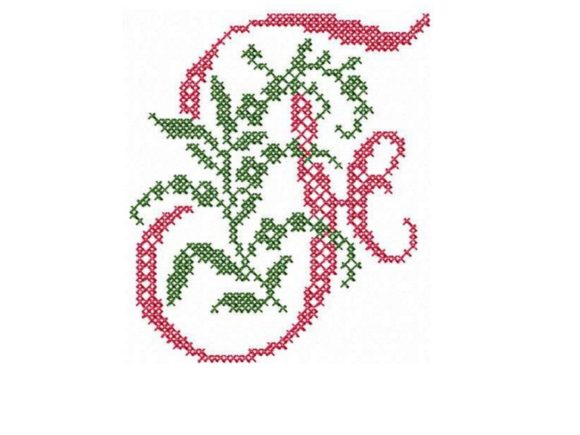
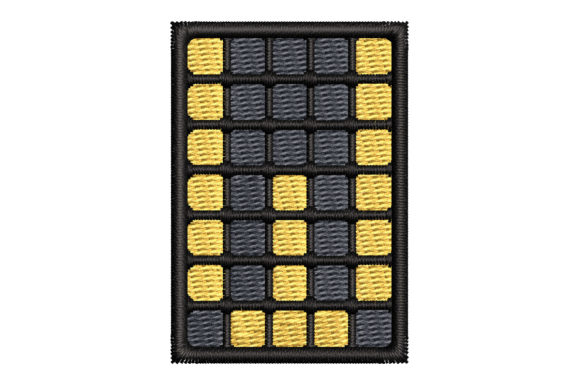
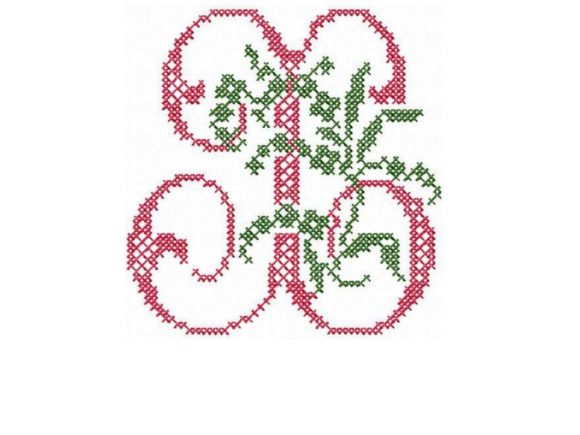
As a designer who has spent years digitizing patterns and testing machine embroidery design files for real-world application, I have learned that simplicity is often the hardest quality to master. When I first loaded the Monogram Letter X into my software, I was not looking for complexity. I was looking for character. In an industry saturated with dense satin stitches and overly complicated fill patterns, this design stands out because it embraces the rustic charm of the cross-stitch technique. It is not just a letter; it is a texture, a mood, and a versatile asset for anyone running a craft business or creating handmade products.
The Aesthetic Appeal of Rustic Simplicity
The immediate impression of Monogram Letter X is one of approachable warmth. Because it mimics traditional hand cross-stitching, it carries a nostalgic weight that resonates deeply with current trends in Boho and cottagecore aesthetics. For an Etsy seller or a boutique owner, this visual language is crucial. Customers are increasingly drawn to items that feel personal and artisanal rather than mass-produced. The pixelated, grid-based nature of the cross-stitch look softens the mechanical precision of machine embroidery, giving the finished product a softer, more organic edge.
This design does not shout for attention. Instead, it invites closer inspection. The layout is balanced, ensuring that the letter remains legible even when scaled down slightly. This makes it an excellent choice for personalized gifts where subtlety is preferred over bold branding. Whether you are stitching onto a linen napkin or a canvas tote, the design integrates seamlessly with the fabric texture rather than sitting heavily on top of it.
Real-World Application: The Tote Bag Test
To truly evaluate an embroidery file, you must move beyond the screen and into the hoop. I recently tested Monogram Letter X for a client project involving a set of custom canvas tote bags. The goal was to create a small shop product line that felt earthy and sustainable. I chose a natural, unbleached cotton canvas and paired the design with a deep forest green thread.
The results were impressive. Because the design utilizes a cross-stitch technique, it avoids the high stitch density often found in standard block letters. This is a critical advantage for tote bags and other items made from thinner or less stable fabrics. High-density designs can cause puckering, but this pattern lay flat and true. The stitch density was light enough to maintain the drape of the fabric while still providing enough coverage to be visually striking. For custom apparel like lightweight t-shirts or linen shirts, this balance is invaluable.
Versatility Across Product Lines
Beyond totes, I see significant potential for this design in several other categories:
- Kitchen Textiles: The cross-stitch style is historically linked to homeware. Stitching this monogram onto tea towels or aprons creates an instant heirloom feel.
- Nursery Decor: For baby embroidery projects, the soft edges of the cross-stitch look are gentle and appealing. It works beautifully on muslin swaddles or pillow covers.
- Holiday Gifts: During the festive season, this design serves as an excellent base for holiday embroidery. It can be easily customized with seasonal thread colors without losing its structural integrity.
- Patches and Badges: When stitched on felt or twill, this design makes for a charming embroidered patch that can be ironed or sewn onto denim jackets and backpacks.
Technical Considerations for Designers
While Monogram Letter X is user-friendly, it is not without its technical nuances. As a professional, I always advise checking specific file details before committing to a large production run. Since the description notes it is created in a cross-stitch technique, you should anticipate a higher number of stops and starts compared to a continuous satin stitch or fill stitch design. This means your machine will trim and jump more frequently. Ensure your machine’s thread trimming function is calibrated correctly to avoid messy backs, especially if you are producing items for sale where interior finish matters.
Another key factor is stabilizer selection. Even though the design is not dense, cross-stitch patterns rely on precise alignment. Using a cut-away stabilizer is generally safer for garments that will be washed frequently, as it provides ongoing support to the stitches. For towels or home decor items that do not stretch, a tear-away may suffice, but always test on scrap fabric first. I recommend stitching a test sample on the exact fabric you intend to use. Check how the thread colors interact with the material. On dark fabrics, you may need to adjust the underlay or use a lighter top thread to ensure the "X" shape remains distinct.
Fabric and Hoop Constraints
One area where caution is required is with highly textured or stretchy fabrics. While the design is forgiving, the individual crosses can get lost in very plush materials like thick fleece or terry cloth. For sweatshirt embroidery, consider using a topping stabilizer to keep the stitches sitting on top of the pile. Additionally, if you are working with small hoop sizes, ensure you have enough margin around the design. The square nature of cross-stitch means that diagonal scaling can sometimes distort the pixelated look if not handled correctly in your software.
For those interested in commercial embroidery or selling digital embroidery files, understanding the license terms is paramount. Always confirm whether the purchase allows for physical sales of finished items. Most designers allow this, but restrictions on reselling the digital file itself are standard. Protect your business by keeping records of your licenses.
Enhancing Brand Value Through Detail
Using a well-chosen design like Monogram Letter X elevates the perceived value of your work. In a market flooded with generic fonts, offering a specialized, textured monogram signals attention to detail. It shows that you understand the interplay between thread and fabric. For printable mockup creators and design assets sellers, this type of design offers a unique selling point. It looks authentic in photos, which helps drive engagement on social media and online storefronts.
When presenting this design in your portfolio or shop, highlight its versatility. Show it on a variety of backgrounds—light linen, dark denim, and pastel cotton. This demonstrates to potential buyers that the design is robust and adaptable. It builds trust. Customers want to know that their personalized gift will look professional and durable. By choosing a design that balances aesthetic charm with technical reliability, you reduce the risk of production errors and increase customer satisfaction.
Final Verdict
The Monogram Letter X is a solid addition to any designer’s library. It bridges the gap between traditional handcraft appeal and modern machine efficiency. It is particularly well-suited for makers focusing on cottagecore-style gifts, tote bag design, and understated home decor. While it requires mindful handling regarding stabilizers and fabric choices, the payoff is a clean, charming result that resonates with today’s conscious consumers. Before you begin your next embroidery project, take the time to test this design on your specific materials. The effort will reflect in the quality of your final piece, reinforcing your reputation as a skilled and thoughtful creator.