Flower Block Review: A Designer’s Take
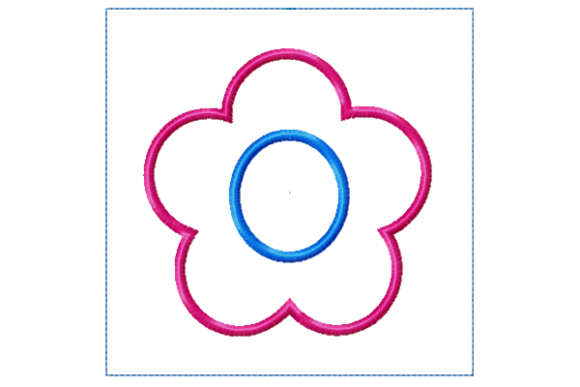
As an embroidery designer who spends countless hours digitizing and testing designs, I approach every new download with a critical eye. We all know the struggle of finding a machine embroidery design that not only looks beautiful on screen but performs flawlessly under the needle. Recently, I explored Flower Block from Creative Fabrica, specifically looking at its potential for real-world commercial projects. This piece falls under the Outline Flowers category, which immediately sparked my interest in how it could elevate simple textiles into high-value handmade goods.
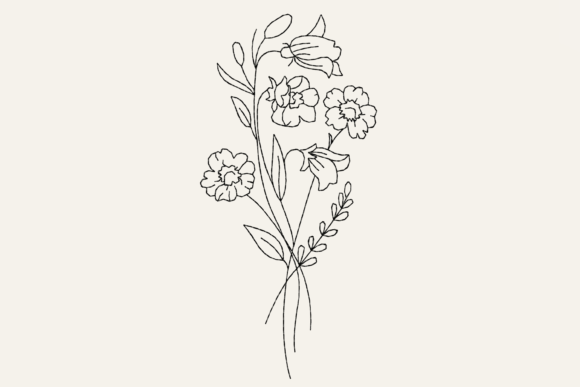
The first impression of Flower Block is one of understated elegance. In a market saturated with overly complex, dense designs, there is a refreshing appeal to clean lines and open spaces. The visual mood is versatile, leaning towards a modern botanical aesthetic that fits seamlessly into contemporary home decor and minimalist fashion. For those of us running small businesses or Etsy shops, this versatility is crucial. A design that is too niche limits your customer base, but Flower Block offers a decorative appeal that resonates with a wide audience, from young parents looking for nursery decor to adults seeking sophisticated custom apparel.
Evaluating Stitch Personality and Detail Level
When reviewing an embroidery file, I always look at the stitch personality. Does it rely heavily on satin stitches that might snag, or does it utilize running stitches for a delicate, hand-drawn look? Flower Block appears to prioritize clarity and structure. The outline nature of the design suggests a lighter touch on the fabric, which is a significant advantage for several reasons. Firstly, lower stitch density generally means less puckering, especially on lightweight materials like cotton voile or linen. Secondly, it reduces the overall production time per unit, a key factor for anyone involved in commercial embroidery where efficiency impacts profit margins.
The detail level is sufficient to be recognizable and artistic without being so intricate that it requires microscopic precision during hooping. This balance is ideal for creators who may be stitching multiple items in a batch. Whether you are creating a set of kitchen towels or a line of tote bags, consistency is key. A design that is forgiving during the setup process allows you to maintain high quality control without excessive waste.
Real-World Application: From Tote Bags to Sweatshirts
I imagined using Flower Block for a specific customer order: a set of personalized canvas tote bags. Canvas is a sturdy fabric, but it can be challenging if the design is too dense, as it may cause the bag to stiffen unnaturally. Because this design fits within the Outline Flowers genre, it sits lightly on the surface. I envision pairing it with earthy thread colors—sage green, terracotta, or muted mustard—to enhance its organic feel. The result would be a chic, eco-friendly accessory that appeals to the current market trend of sustainable fashion.
Beyond totes, consider the potential for sweatshirt embroidery. Hoodies and crewnecks are staple items for handmade shops, especially in cooler months. However, fleece and French terry fabrics have a nap that can swallow up small details. Flower Block’s clear lines would stand out beautifully against these textured backgrounds. By choosing high-contrast thread colors, such as cream on navy or black on heather grey, you ensure the design remains visible and striking. This adaptability makes it a strong candidate for a custom apparel line where you offer various colorways to match seasonal trends.
For those interested in home goods, this design translates well to pillow covers and aprons. An embroidered apron makes for a thoughtful, high-end gift. The floral motif adds a touch of warmth and personality to a utilitarian item, increasing its perceived value. When photographing these finished products for your online store, the clean lines of Flower Block provide excellent focal points that look professional in both flat-lay printable mockups and lifestyle shots.
Technical Considerations for Successful Stitching
While the design is appealing, practical execution requires attention to detail. Before committing to a final product, always test on scrap fabric. This is non-negotiable for professional results. Check how the stitch density interacts with your specific material. If you are working with stretchy fabric, such as jersey for baby items or caps, the use of a proper stabilizer is essential. A cut-away stabilizer might be necessary for garments that will undergo frequent washing, ensuring the design retains its shape over time.
Curved surfaces, like cap fronts, present another challenge. Ensure that the hoop size you select accommodates the design comfortably without distorting the fabric. Since Flower Block is an outline-style design, it is likely more forgiving on curved surfaces than a heavy fill-stitch design, but tension adjustments may still be required. Always inspect small details after stitching. Look for any thread breaks or loose ends that might compromise the durability of the finished product.
Color selection plays a pivotal role in the success of this design. The product description notes that you can choose the color scheme at your discretion. This freedom is a double-edged sword; while it allows for creativity, it places the responsibility of contrast on you. On dark fabrics, ensure your thread colors are light enough to pop. On light fabrics, avoid threads that blend in too much unless you are aiming for a subtle, tonal effect. Testing different thread combinations on your actual fabric stock is the best way to determine what works best for your brand aesthetic.
Enhancing Product Value and Brand Consistency
Incorporating high-quality designs like Flower Block into your inventory can significantly boost buyer trust. Customers associate clean, well-executed embroidery with professionalism. When your handmade product looks polished, it justifies a higher price point. Furthermore, using consistent design elements across different products—such as using the same floral motif on tote bags, patches, and pillows—helps build brand recognition. It creates a cohesive collection that encourages customers to purchase multiple items.
For digital product sellers and creative entrepreneurs, this design can also serve as a base for further customization. You might combine it with text for a personalized gift, adding names or dates to create unique keepsakes. The simplicity of the flower block allows text to take center stage without the design becoming cluttered. This flexibility is invaluable for meeting diverse customer requests without needing to digitize new files from scratch.
Final Thoughts on Creative Fabrica Embroidery Assets
Before downloading or purchasing any digital embroidery file, always confirm the license terms on the Creative Fabrica product page. Understanding whether the design is cleared for commercial use is vital for protecting your business. Assuming the licensing permits it, Flower Block represents a solid addition to any designer’s library. It offers the right balance of aesthetic appeal and technical practicality.
Whether you are creating an embroidered patch for a local boutique or designing a line of nursery decor, this design holds up well under scrutiny. It respects the fabric it is stitched on, rather than overwhelming it. For embroidery designers and crafters looking to expand their offerings with reliable, stylish motifs, Flower Block is worth considering. Just remember to prioritize proper stabilization, thread contrast, and thorough testing to ensure every piece you sell meets the high standards your customers expect.
By integrating versatile assets like this into your workflow, you streamline your production process while maintaining the artistic integrity of your brand. It is these small, thoughtful choices in design selection that ultimately define the success of a handmade business in today’s competitive market.