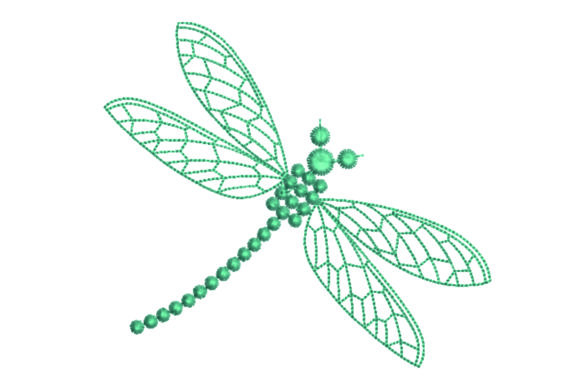
Dragonfly Vintage Style: A Designer’s Practical Review
As a designer who spends more time staring at stitch simulations than I care to admit, I have learned that the most successful machine embroidery design files are not always the most complex. Sometimes, simplicity is the ultimate sophistication. This is exactly where Dragonfly Vintage Style finds its footing. When I first pulled up this file to evaluate it for a potential client project, I was looking for something that could bridge the gap between whimsical charm and professional execution. What I found was a concise, single-color motif that respects the limitations of the hoop while delivering maximum visual impact.
First Impressions: Mood and Visual Personality
The immediate appeal of Dragonfly Vintage Style lies in its restraint. In a market saturated with overly dense, multi-layered applique design options, this piece stands out for its clarity. The vintage aesthetic suggests a softness, a nod to botanical illustrations from a bygone era, rather than a hyper-realistic insect study. For those of us working in the Bugs category, this distinction is crucial. It feels less like a science textbook diagram and more like a decorative element meant to evoke nostalgia.
The layout is balanced, with wings that provide enough surface area for interesting stitch play without becoming a nightmare of thread breaks. Because it is designed for one-color execution, it relies heavily on form and line weight. This makes it incredibly versatile for custom apparel where you might want to match specific brand colors or seasonal palettes without worrying about complex color changes. It creates a mood that is airy, light, and perfectly suited for spring and summer collections.
Real-World Application: The Tote Bag Test
To truly understand how a design performs, you have to imagine it stitched out. I recently worked on a series of canvas tote bag design concepts for a local boutique, and Dragonfly Vintage Style was a top contender. Here is why it works in this scenario: the concise form translates beautifully onto textured fabrics like cotton canvas or linen.
When stitching on a tote, you are often dealing with a thicker material that can distort if the stitch density is too high. This design avoids that pitfall. The open spaces between the wings and the body allow the fabric texture to breathe, preventing that stiff, cardboard-like feel that plagues many amateur embroidery project outcomes. For an Etsy seller or small shop owner, this means the finished product feels premium and soft to the touch, which directly influences customer satisfaction and repeat business.
Beyond tote bags, consider sweatshirt embroidery. Placing this dragonfly on the left chest or near the hem of a oversized crewneck adds a subtle, personalized touch. It is small enough to be understated but detailed enough to be noticed. This versatility makes it a strong asset for anyone building a library of reliable design assets for their craft business.
Technical Considerations and Fabric Choices
While Dragonfly Vintage Style is forgiving, it is not immune to the laws of physics. As an experienced reviewer, I must point out where caution is needed. The vintage style likely utilizes a mix of running stitch for outlines and potentially light fill stitch or satin stitch for the wings, depending on the specific digitizing. If you are working with stretchy fabrics, such as jersey knits for baby clothes, proper stabilization is non-negotiable.
For baby embroidery, comfort is paramount. You want to ensure that the back of the stitching does not irritate sensitive skin. Using a cut-away stabilizer can provide long-term durability, but for a lightweight design like this, a high-quality tear-away might suffice if the garment is not subjected to heavy industrial washing. Always test on scrap fabric first. Check how the thread interacts with the material. Does the thread colors contrast well? On dark fabrics, a metallic or bright rayon thread can make the vintage lines pop, whereas on light fabrics, a subtle cotton thread maintains that antique feel.
Be mindful of curved surfaces. If you are attempting embroidered patch creation or stitching directly onto a cap, the curvature can distort the elongated shape of the dragonfly’s wings. In these cases, reducing the size slightly or using a stiffer backing material can help maintain the integrity of the design. Also, verify the hoop size requirements. While this design appears compact, ensure your machine’s minimum hoop capacity can accommodate it without forcing you to use a floating method that might compromise alignment.
Commercial Value and Brand Consistency
For commercial embroidery professionals, consistency is key. Dragonfly Vintage Style offers a level of reliability that builds trust. When customers see clean lines and consistent stitching across different products, they perceive higher value. This design supports that perception. It is not flashy; it is elegant. This elegance translates well into personalized gift markets, such as wedding favors or bridal shower items, where subtlety is often preferred over boldness.
Furthermore, because it is a single-color design, it is cost-effective. Less thread usage and no color stops mean faster production times. For a small shop product line, this efficiency can improve margins. It also simplifies inventory management for thread stocks. You do not need to keep twenty shades of green on hand; you can adapt the design to whatever thread matches your current collection.
Practical Designer Notes for Best Results
Before you commit to a large run or list this as a new item in your store, take these practical steps:
- Check the License: Always confirm the licensing terms provided with the digital embroidery file. Ensure you have the right to sell finished items or if it is for personal use only. This is critical for maintaining professionalism and avoiding legal issues.
- Test Stitch Density: Run a test on the actual fabric you plan to use. Look for puckering. If the fabric pulls, adjust your tension or switch to a heavier stabilizer.
- Mockup in Black and White: Remove color from your digital preview. If the design loses its definition in grayscale, the contrast between stitch types might be too low. Good design should hold up even without color.
- Inspect Small Details: Zoom in on the wing tips. Are there excessive jump stitches? Clean up any unnecessary trims in your software if possible to reduce production time.
- Consider the Context: Think about where this fits in your broader catalog. Does it complement your existing floral or nature-themed items? Cohesion helps in branding.
Final Verdict
Dragonfly Vintage Style is a solid addition to any embroiderer’s library. It is not trying to be everything to everyone. Instead, it excels at being a charming, versatile, and technically sound motif for spring and summer applications. Whether you are decorating home decor, creating holiday embroidery gifts, or expanding your apparel decorators portfolio, this design offers a balance of ease and aesthetic appeal. It reminds us that in Embroidery, sometimes the quietest designs speak the loudest. Just remember to respect the fabric, choose your stabilizer wisely, and let the vintage charm do the rest.