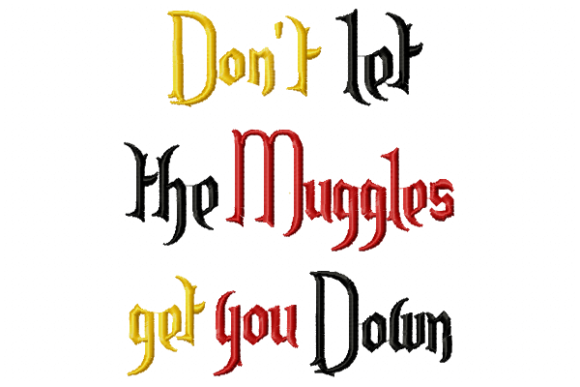
Don t Let: A Designer’s Review for Boutique Apparel
As an embroidery designer who spends countless hours digitizing and testing patterns, I have learned that the difference between a generic garment and a boutique bestseller often comes down to one specific detail: the right design in the right place. Recently, while curating assets for a new seasonal collection, I came across Don t Let on Creative Fabrica. This machine embroidery design immediately caught my eye not just for its aesthetic appeal, but for its versatility across various apparel categories. In this review, I will break down how this design performs on real-world garments, from cozy sweatshirts to structured denim jackets, and why it might be the missing piece in your next custom apparel launch.
First Impressions: Visual Personality and Stitching Mood
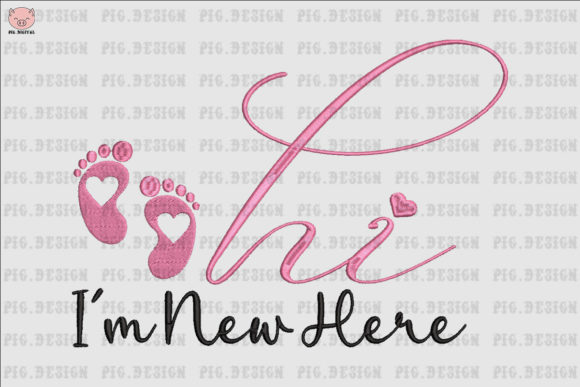
The first thing you notice about Don t Let is its balanced visual personality. It does not scream for attention with overly complex shading or excessive thread counts. Instead, it offers a clean, readable presence that feels both modern and timeless. For a designer, this is crucial. We are constantly looking for designs that feel premium without looking cluttered. The stitching mood here leans towards the minimal yet impactful side, making it suitable for a wide range of demographics. While the product category is listed under Babies, do not let that limit your creative vision. The simplicity of the design allows it to transcend age groups, working equally well on infant onesies and adult oversized hoodies.
When examining the decorative strength of the pattern, I appreciate its adaptability. It feels playful enough for a child’s outfit but retains a classic elegance that suits adult fashion. Whether you are aiming for a cute, feminine look or a bold, rustic vibe, this design serves as a strong foundation. The detail level is sufficient to stand out against fabric textures like fleece or cotton jersey, ensuring that the message remains clear even from a distance.
Applying Don t Let to Sweatshirt and Hoodie Collections
Let’s talk about practical application, specifically for sweatshirt embroidery and hoodie design projects. If you are preparing a small collection for an online shop, neutral sweatshirts and pastel hoodies are currently trending. Don t Let performs exceptionally well in these contexts. On a heather grey or cream-colored hoodie, the design acts as a subtle chest accent. I recommend placing it on the left chest area for a professional, boutique brand look. This placement is standard for high-end custom apparel and allows the wearer to showcase the design without it feeling overwhelming.
For dark apparel, such as navy or black fleece, you must pay close attention to thread color contrast. A bright white or metallic thread can make the design pop, creating a striking visual against the dark background. However, if you are using this on stretchy fabric or ribbed cuffs, caution is required. The hoop size must be appropriate for the curve of the garment, and you should consider using a cut-away stabilizer to prevent puckering. Fleece and thick cotton blends can be tricky; always test on scrap fabric first to ensure the stitch density does not cause the material to bunch up.
Versatility Beyond the Chest Pocket
While the product description suggests using it for pocket reading pillows or outfits, I see immense potential for sleeve accents and back designs. On an oversized garment, a smaller version of Don t Let on the lower sleeve adds a unique touch that distinguishes your handmade product from mass-produced items. For tote bag design applications, the durability of the stitches holds up well against canvas textures, provided you use a heavy-duty needle and appropriate stabilizer. This versatility makes it a valuable asset for any Etsy seller looking to expand their product line beyond just shirts.
Enhancing Brand Identity and Product Value
In the world of small shop products, consistency is key to building buyer trust. Using a cohesive design like Don t Let across different items—such as t-shirts, denim jackets, and cozy seasonal outfits—creates visual consistency. This helps in establishing a recognizable brand identity. When customers see the same high-quality embroidery style across your store, it reinforces the perception of professionalism. Furthermore, well-executed embroidery increases the perceived value of the finished product. Customers are willing to pay more for items that feature detailed, durable stitching rather than simple printed graphics.
For lifestyle product photos and social media graphics, this design photographs beautifully. The texture of the threads catches the light, adding depth to your printable mockup and real-life images. This is particularly important for digital sellers and creative entrepreneurs who rely on strong visual presentation to drive engagement. A clear, crisp image of the embroidery on a soft, textured fabric can significantly boost conversion rates on platforms like Etsy.
Practical Embroidery Designer Notes
Before you start production, there are several technical aspects to consider. Since the product description mentions that this machine embroidery design comes with multiple embroidery file formats, you likely have options for different hoop sizes. However, it is vital to confirm those details before selling finished apparel. Check the specific file formats included to ensure compatibility with your machine. Common formats include PES, DST, and JEF, but you must verify what is provided in the download.
- Test on Scrap Fabric: Always run a test stitch-out on the same type of fabric you plan to use for the final product. This helps you identify any issues with tension or registration.
- Check Stabilizer Choice: For knit fabrics like t-shirts and hoodies, a cut-away stabilizer is usually best to support the stitches over time. For woven fabrics like denim, a tear-away might suffice.
- Review Thread Color Contrast: Select thread colors that complement the garment while ensuring the design remains legible. High contrast is key for readability.
- Confirm Hoop Size: Ensure the design fits within your available hoop size, especially if you plan to place it on curved surfaces like sleeves or pockets.
- Inspect Stitch Density: If the design feels too dense for lightweight fabrics, consider using a lighter weight thread or adjusting the tension settings on your machine.
Additionally, always check Creative Fabrica product details and licensing before selling finished apparel. Understanding the commercial embroidery license terms is essential for protecting your business. Most designs on Creative Fabrica allow for physical sales, but it is always wise to double-check the specific license associated with Don t Let to avoid any legal issues.
Final Thoughts for Creative Entrepreneurs
In conclusion, Don t Let is a versatile and appealing addition to any embroidery designer’s library. Its ability to adapt to various garments, from baby clothes to adult streetwear, makes it a smart investment for boutique brands. By paying attention to fabric texture, stabilizer choice, and placement, you can create high-quality, professional-looking items that resonate with customers. Whether you are an experienced embroiderer or just starting your journey as an Etsy seller, this design offers the flexibility and charm needed to stand out in a crowded market. Remember, the success of your handmade product lies not just in the design itself, but in how thoughtfully you apply it to your chosen medium.